
Get Building Tuckpointing in Wilmington, DE
Building tuckpointing services help Wilmington property owners repair and restore brickwork by fixing cracks, deteriorated mortar, and damaged joints to improve safety and appearance.
Building tuckpointing services are a practical consideration for property owners in Wilmington, DE, seeking to maintain the structural integrity and aesthetic appeal of their buildings. Over time, mortar joints can deteriorate due to weather exposure and aging, leading to potential issues such as water infiltration or compromised stability. Addressing these concerns through professional tuckpointing can help preserve the value of a property and prevent more costly repairs down the line. Property owners exploring this work often want to ensure they choose experienced local contractors who understand the unique challenges of buildings in the Wilmington area.
If you're considering tuckpointing projects, it’s helpful to compare options from service providers familiar with local building standards and conditions. Many property owners find value in consulting multiple contractors to understand the scope of work and find a solution that best fits their needs. Continuing to explore your options can lead to connecting with experienced professionals who are equipped to handle the specifics of tuckpointing in Wilmington, DE, and nearby communities.
- Historic Building Restoration - Tuckpointing services are needed when restoring the appearance and integrity of historic brick facades in neighborhoods like Trolley Square.
- Cracked or Damaged Masonry - Property owners may seek tuckpointing to repair mortar joints that have cracked or deteriorated over time.
- Leaking or Water-Related Issues - Tuckpointing can help prevent water infiltration in brick walls of homes or commercial buildings in Wilmington’s older districts.
- New Construction or Renovation Projects - Builders and contractors often require tuckpointing during the finishing phase of new brick structures or renovations.
- Efflorescence or Surface Deterioration - Tuckpointing is useful for addressing surface discoloration and surface-level damage on brick exteriors.
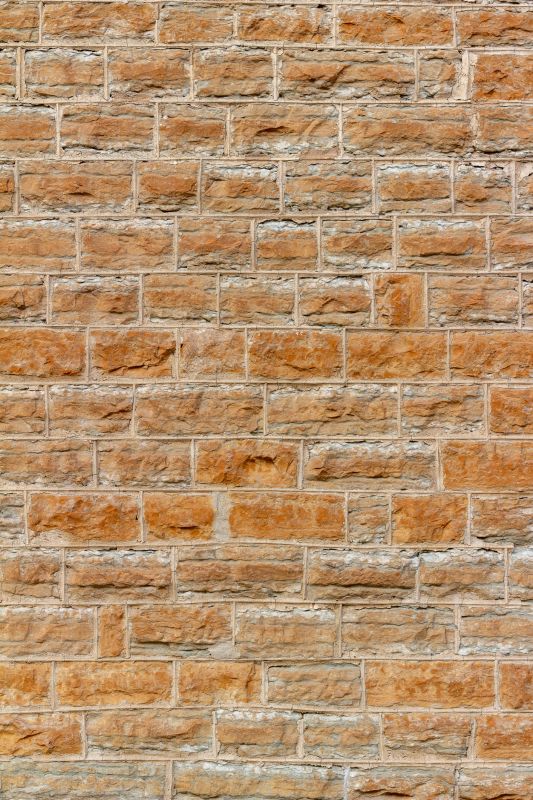
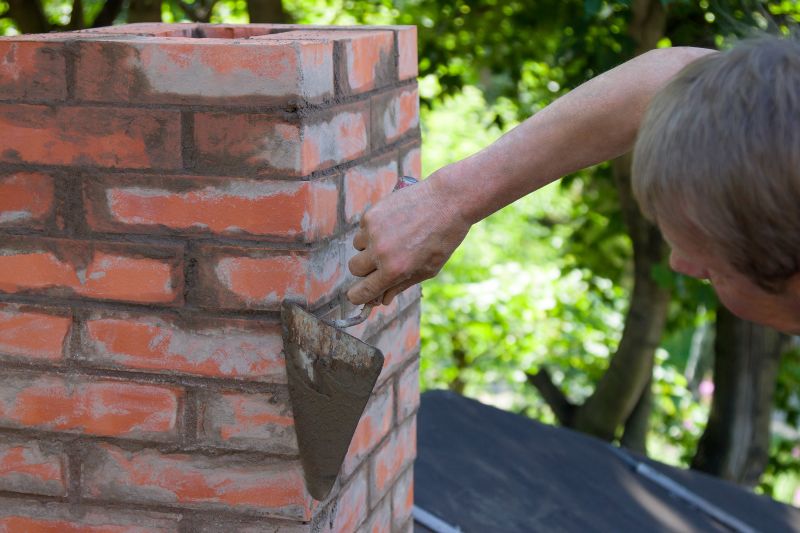
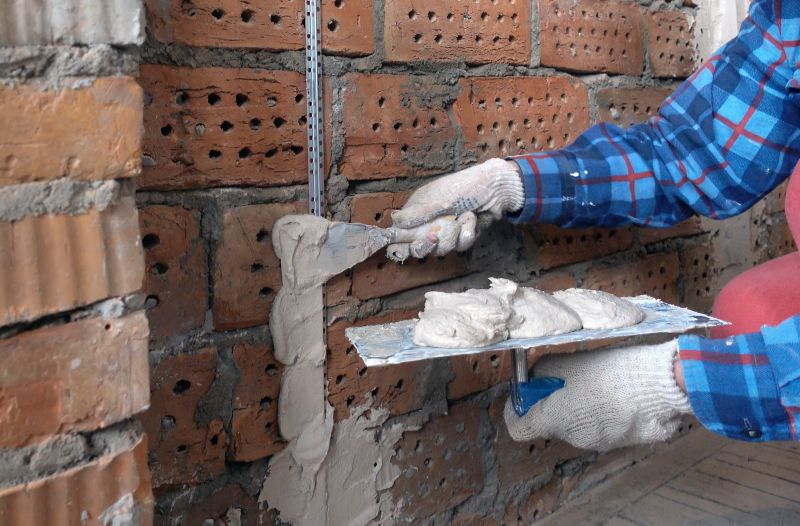
Building tuckpointing services involve the careful process of restoring and repairing the mortar joints between bricks or stones on a building’s exterior. This work typically includes removing damaged or deteriorated mortar and replacing it with fresh, durable material. Tuckpointing not only improves the appearance of a brick or stone surface but also helps protect the structure from water infiltration, which can lead to more serious damage over time. Skilled service providers use specialized tools and techniques to ensure the new mortar matches the existing joints in color and texture, helping to maintain the building’s original aesthetic.
This service addresses common problems such as cracked, crumbling, or missing mortar that can compromise the integrity of a brick or stone wall. Over time, mortar can weaken due to weather exposure, settling, or age, resulting in gaps and cracks that allow moisture to seep in. This can cause bricks or stones to shift or loosen, increasing the risk of structural issues. Tuckpointing helps to seal these vulnerable areas, preventing further deterioration and extending the lifespan of the masonry. It’s an essential step in maintaining the stability and safety of older or historic properties, as well as newer buildings that experience mortar damage.
Building tuckpointing is frequently used on a variety of properties, including residential homes, historic buildings, commercial facades, and multi-unit complexes. Homeowners with aging brick exteriors often turn to tuckpointing to preserve the appearance and strength of their property. Commercial property owners may seek this service to maintain the professional look of their storefronts or office buildings. In historic districts, tuckpointing is a common preservation technique to retain the original character of buildings while ensuring their structural soundness. Generally, any property with brick or stone exteriors that show signs of mortar deterioration can benefit from professional tuckpointing services.
Homeowners should consider building tuckpointing when noticing signs of mortar damage such as cracks, crumbling material, or gaps between bricks. These issues can lead to water leaks, mold growth, or even brick displacement if left unaddressed. Tuckpointing is also recommended when the exterior surface appears faded or discolored, as fresh mortar can restore visual appeal while reinforcing the structure. Local contractors who specialize in masonry repairs can assess the condition of a building’s mortar and recommend the appropriate repairs. Properly performed tuckpointing not only enhances the look of a property but also helps prevent more costly repairs down the line by addressing issues early.
The overview below groups typical Building Tuckpointing projects into broad ranges so you can see how smaller, mid-sized, and larger jobs often compare in Wilmington, DE.
In many markets, a large share of routine jobs stays in the lower and middle ranges, while only a smaller percentage of projects moves into the highest bands when the work is more complex or site conditions are harder than average.
Smaller Repairs - Typical costs for minor tuckpointing work, such as fixing small cracks or chips, generally range from $250 to $600. Many routine jobs fall within this middle range, depending on the extent of the damage and the number of affected mortar joints.
Moderate Repointing - Mid-sized projects involving partial repointing of larger wall sections usually cost between $600 and $2,000. These projects are common for many homes and commercial buildings needing more extensive mortar restoration.
Full Wall Repointing - Complete sections or entire walls often range from $2,000 to $5,000, especially for larger or more intricate brickwork. Fewer projects push into the higher tiers, which are typical for historic restorations or extensive repairs.
Full Masonry Replacement - Larger, more complex projects like replacing entire brick facades can exceed $5,000, with costs depending on the scope and materials used. Such projects are less common but necessary for severe damage or structural concerns.
Actual totals will depend on details like access to the work area, the scope of the project, and the materials selected, so use these as general starting points rather than exact figures.
Masonry Restoration - this project involves repairing and restoring brickwork, which requires skills in matching mortar colors and working with existing structures similar to tuckpointing.
Brick Repair - replacing damaged or deteriorated bricks involves precise removal and installation, paralleling the detailed work of tuckpointing to maintain structural integrity.
Chimney Repointing - restoring mortar joints in chimneys demands similar planning and skill with mortar mixing and application as tuckpointing on building facades.
Stonework Restoration - working with natural stone and mortar in restoration projects shares techniques used in tuckpointing to preserve historic buildings.
Facade Cleaning and Sealing - preparing and sealing brick or stone surfaces involves surface preparation skills that complement tuckpointing processes.
Structural Crack Repair - addressing cracks in masonry walls requires understanding of mortar and brickwork, aligning with the skills used in tuckpointing projects.
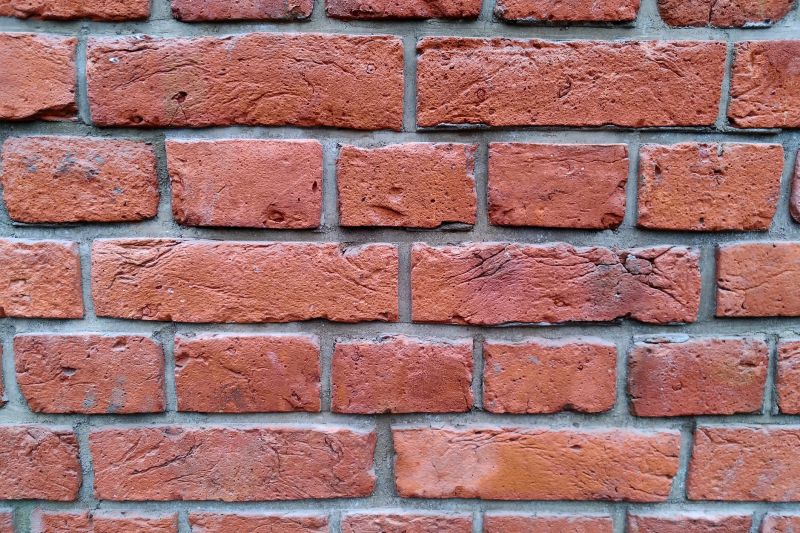
When selecting a contractor for tuckpointing services, it’s important to consider their experience with similar projects. Homeowners should inquire about how long a service provider has been working on masonry repairs and whether they have handled projects comparable in scope and style. An experienced contractor is more likely to understand the nuances of matching mortar colors, working with different brick types, and addressing common issues that arise during tuckpointing. This familiarity can help ensure the work is performed efficiently and meets the specific needs of the home’s masonry.
Clear, written expectations are essential for a successful project. Homeowners should seek service providers who can provide detailed descriptions of the work involved, including the scope of the tuckpointing, materials to be used, and the steps that will be taken to complete the job. Having these expectations documented helps prevent misunderstandings and provides a basis for evaluating the quality of work once the project is completed. It’s also beneficial to ask how the contractor plans to handle potential challenges that may come up during the process.
Reputable references and effective communication are key indicators of a trustworthy contractor. Homeowners should ask potential service providers for references from past clients who had similar work done, and follow up to learn about their experiences. Good communication - including responsiveness, clarity, and transparency - helps ensure that expectations are aligned and that any questions or concerns can be addressed promptly. Ultimately, a reliable local contractor will prioritize clear dialogue and have a track record of satisfied clients, making them a more dependable choice for tuckpointing projects.
Property owners in Wilmington, DE use Building Tuckpointing services for practical projects around their homes and businesses. This guide focuses on everyday jobs and straightforward project options.
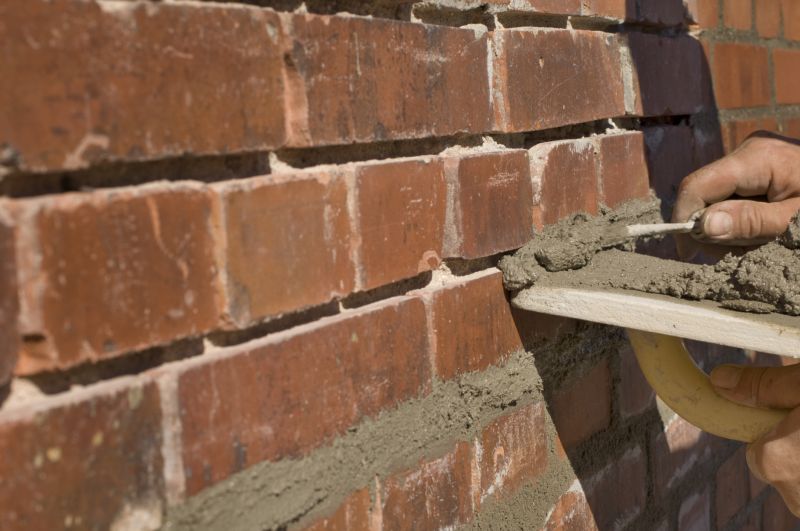
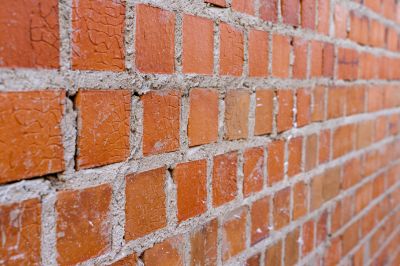
Building tuckpointing services are often needed when brickwork shows signs of deterioration, such as crumbling mortar joints or visible cracks. Property owners in Wilmington, DE, may notice water infiltration or drafts entering their buildings, which can be caused by damaged mortar between bricks. In these situations, local contractors who specialize in tuckpointing can help restore the structural integrity and appearance of the masonry, preventing further damage and maintaining the property's value.
Additionally, property owners might seek tuckpointing services during routine maintenance or before selling a property to improve curb appeal. Older buildings or historic structures in Wilmington often require careful attention to mortar joints to preserve their character while ensuring durability. Service providers experienced in tuckpointing can address these needs efficiently, offering a practical solution for maintaining and enhancing the longevity of brick exteriors.
What is tuckpointing and why is it important? Tuckpointing is a masonry repair process that involves removing damaged mortar between bricks and replacing it to restore the structural integrity and appearance of a building’s exterior.
How do I know if my brickwork needs tuckpointing? Signs include cracked, crumbling, or missing mortar, as well as water penetration or visible gaps between bricks that may indicate the need for repair.
What types of buildings can benefit from tuckpointing services? Tuckpointing can be performed on a variety of structures, including historic homes, commercial buildings, and residential brick walls that show signs of deterioration.
Are there different styles of tuckpointing to match various brickwork designs? Yes, local contractors can match the mortar color and joint style to blend seamlessly with existing brickwork or achieve a specific aesthetic.
How can I find qualified local contractors for tuckpointing services? This website helps connect homeowners with experienced service providers in Wilmington, DE, and nearby areas who specialize in brick and mortar repair work.
Enhancing Curb Appeal - Tuckpointing can improve the overall look of a building by restoring the mortar joints, making the property more attractive.
Preventing Water Damage - Proper tuckpointing helps seal cracks and gaps, reducing the risk of water infiltration that can cause structural issues.
Maintaining Structural Integrity - Property owners can use tuckpointing services to reinforce brickwork and prevent deterioration over time.
Restoring Historic Features - Tuckpointing can be part of preserving or restoring historic brickwork to maintain a property's original charm.
If you are thinking about Building Tuckpointing for a property in Wilmington, DE, this guide is meant to help you understand the work, the typical project types, and how different options might fit your plans.
When you are ready, you can use the quote form on this page to share a few details about your project. From there, local pros can review the basics and respond with options that match what you have in mind.